
Behind Every Offence Is a Story: Understanding Criminal Behaviour
A real-life case study exploring anger, family pressure, emotional regulation and the circumstances that can influence criminal behaviour.
Story 1: “I Lost My Temper”
It started with a road accident.
Abdullah was returning home with his friend on a motorcycle when they met with an accident involving a car. Both were injured, and their motorcycle was damaged.
After the accident, there was a discussion about who would pay for the damages. According to Abdullah, the driver initially agreed to compensate them. However, when they later met to settle the matter, an argument broke out.
As tensions rose, the disagreement turned into a physical fight. In the heat of the moment, Abdullah and his friend assaulted the driver. The police were called, and both were arrested.
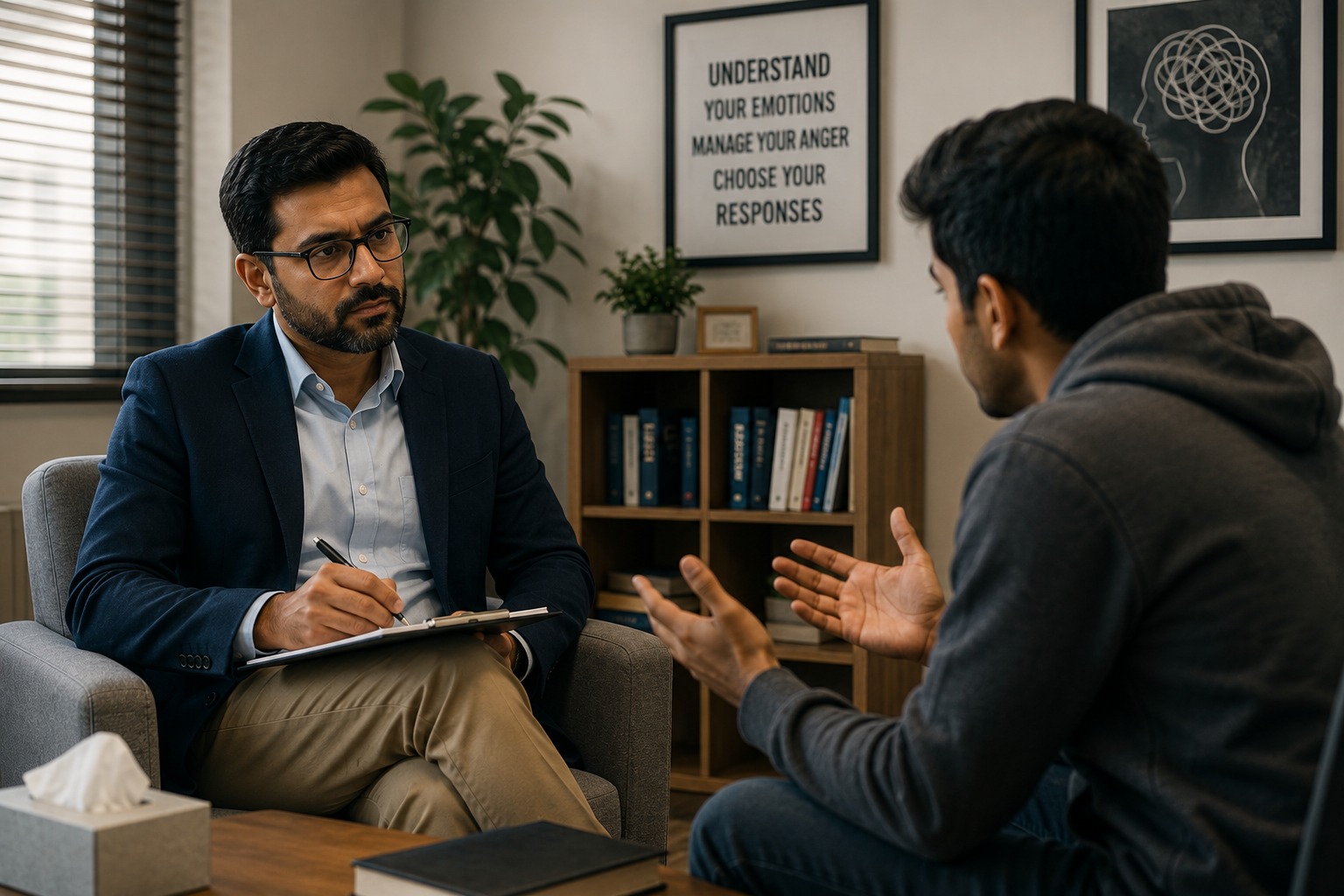
A Simple Fight… Or Something Much Deeper?
When people hear about a criminal case, they often focus only on the offence itself. However, criminal behaviour is rarely shaped by a single event.
Emotional stress, family circumstances, personal struggles and poor coping skills can all influence how a person reacts under pressure.
The Young Man Behind the Case
During a psychological assessment conducted by the counselling team of Global Care Foundation, Abdullah acknowledged that fighting was wrong. However, he repeatedly spoke about feeling angry, insulted and unheard.
He felt that he was being treated unfairly and reacted emotionally rather than thinking through the consequences. Like many people in moments of intense anger, he acted impulsively and reflected on the impact of his actions only later.
The Story Did Not Begin on the Day of the Accident
As the assessment continued, it became clear that the incident involved much more than a disagreement over damages.
A Home Marked by Conflict
Abdullah grew up in a home marked by ongoing conflict. His father consumed alcohol, avoided responsibilities and frequently used abusive language, creating a stressful environment for the family.
His Mother’s Accident
A major turning point came when his mother was injured in an accident and became unable to work.
Adult Responsibilities at a Young Age
With little support from his father, Abdullah left his education and began working to support his mother and younger siblings.
Emotional Pressure
Financial hardship, family conflict and personal sacrifice created emotional strain that remained largely unaddressed.
These experiences do not justify violence, but they provide important context for understanding the emotional pressure that may have influenced his reaction.
When One Arrest Affects an Entire Family
Abdullah’s mother described him as someone who became irritated easily, but also as a caring son who supported the family, looked after his siblings and shared a close bond with her.
Individuals may possess strengths, responsibilities and positive qualities while still struggling with emotional control.
Could the Story Have Ended Differently?
The answer is possibly yes. If Abdullah had stronger anger-management and emotional-regulation skills, he may have responded differently.
Learning how to manage frustration, communicate effectively and walk away from escalating conflicts can prevent situations from turning into criminal cases.
The Role of Counselling and Rehabilitation
Following his release on bail, Abdullah participated in counselling sessions conducted by the Global Care Foundation Counselling Team.
The sessions focused on understanding his emotional struggles, developing healthier coping strategies and improving his response to anger and conflict.
What This Story Reveals
- Anger itself is not the problem; how we express it matters.
- Uncontrolled emotions can lead to decisions with lifelong consequences.
- Family stress and unresolved personal struggles can influence behaviour.
- Walking away from a heated situation is often a sign of strength, not weakness.
- Psychological support and counselling can help prevent future offending behaviour.
- Emotional regulation plays an important role in rehabilitation and crime prevention.
One Moment, Lifelong Consequences
Abdullah’s story reminds us that a single impulsive decision can have consequences extending far beyond the incident itself.
What began as a road accident resulted in police involvement, jail, legal proceedings, emotional distress and uncertainty for an entire family.
Understanding criminal behaviour is as important as addressing it. Looking beyond the offence helps us recognise the emotional, social and psychological factors that shape human behaviour, while still holding individuals accountable for their actions.
The difference between a heated argument and a criminal case can sometimes be measured in just a few seconds.Supporting Rehabilitation and Crime Prevention
Global Care Foundation works to provide legal assistance, counselling and rehabilitation support to individuals and families affected by the criminal justice system.
Learn More About Our Work